July 2025
Rural Evidence and Learning for Water
Rural Evidence and Learning for Water (REAL-Water) was a USAID-funded applied research program that studied how to achieve safer and more sustainable rural water supply in low-and middle-income countries. Designed and originally executed as a five-year program (September 2021–September 2026) led by Aquaya, REAL-Water was terminated in February 2025 along with the vast majority of USAID’s overseas development assistance programs.
REAL-Water supported the goals of USAID’s Water and Development Plan, established under the U.S. government’s Global Water Strategy. Aquaya and its REAL-Water consortium partners – Aguaconsult, Ashoka Trust For Research In Ecology And The Environment (ATREE), Cova, the Institute for Sustainable Futures at the University of Technology Sydney, Hydroconseil, Johns Hopkins University, the Kwame Nkrumah University of Science and Technology (KNUST), Safe Water Network (SWN), the Skat Foundation’s Rural Water Supply Network (RWSN), Water, Environment, Land and Livelihoods (WELL) Labs, and Water Mission – had three principal functions:
1. Conducting research in real-world settings that applied scientific methods to:
- strengthen water safety;
- improve the performance of rural water supply systems;
- better incorporate water resources management into water supply planning.
2. Fostering the use of evidence in decision-making by national policymakers, public and private sector water service providers, donors, and investors.
3. Coordinating and collaborating with related USAID-funded WASH programs both at the headquarters and country Mission levels. Aquaya and its partners provided technical assistance to USAID’s missions in the design and oversight of their rural water supply programming to maximize impact from U.S. government investments.
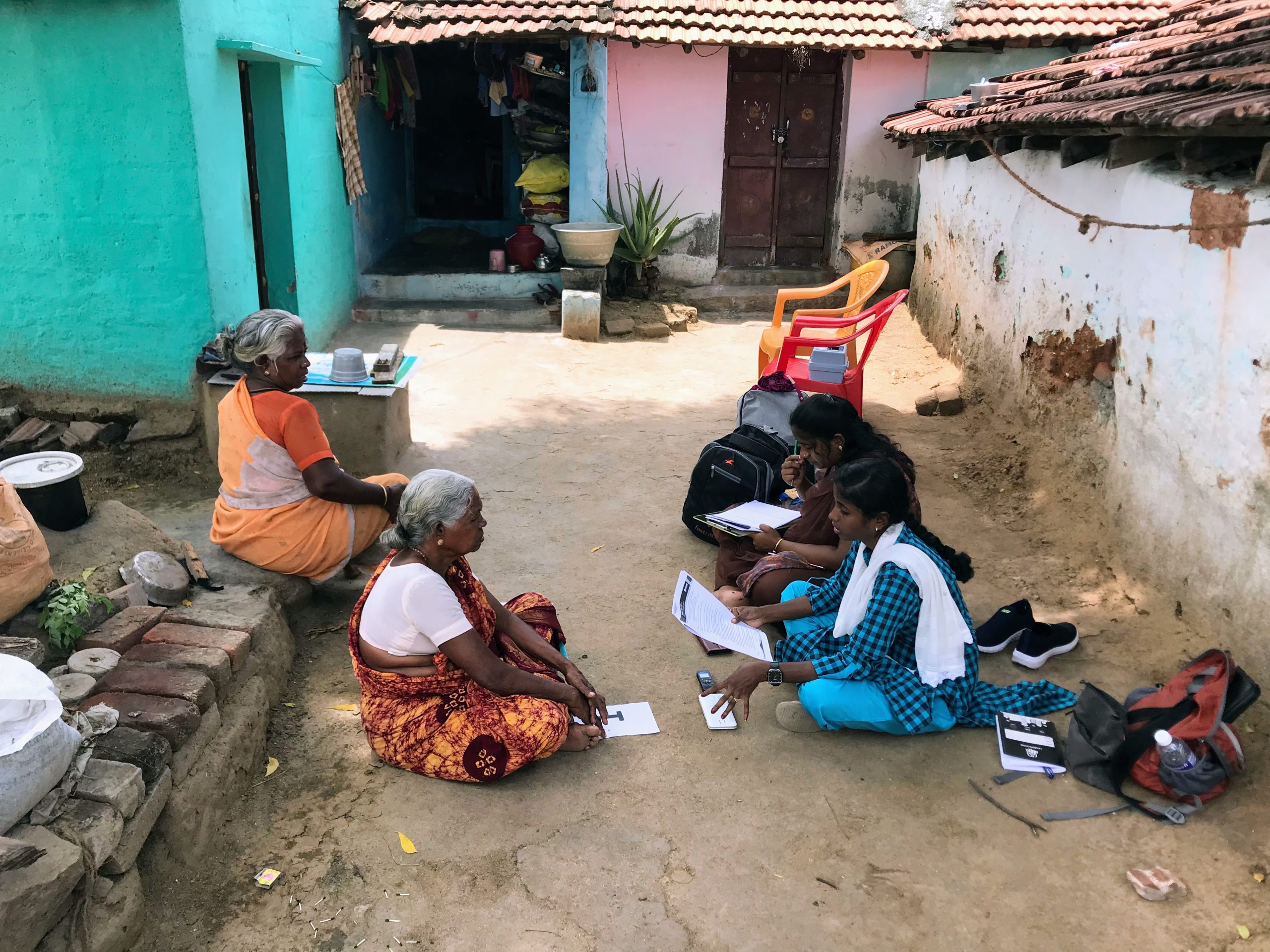
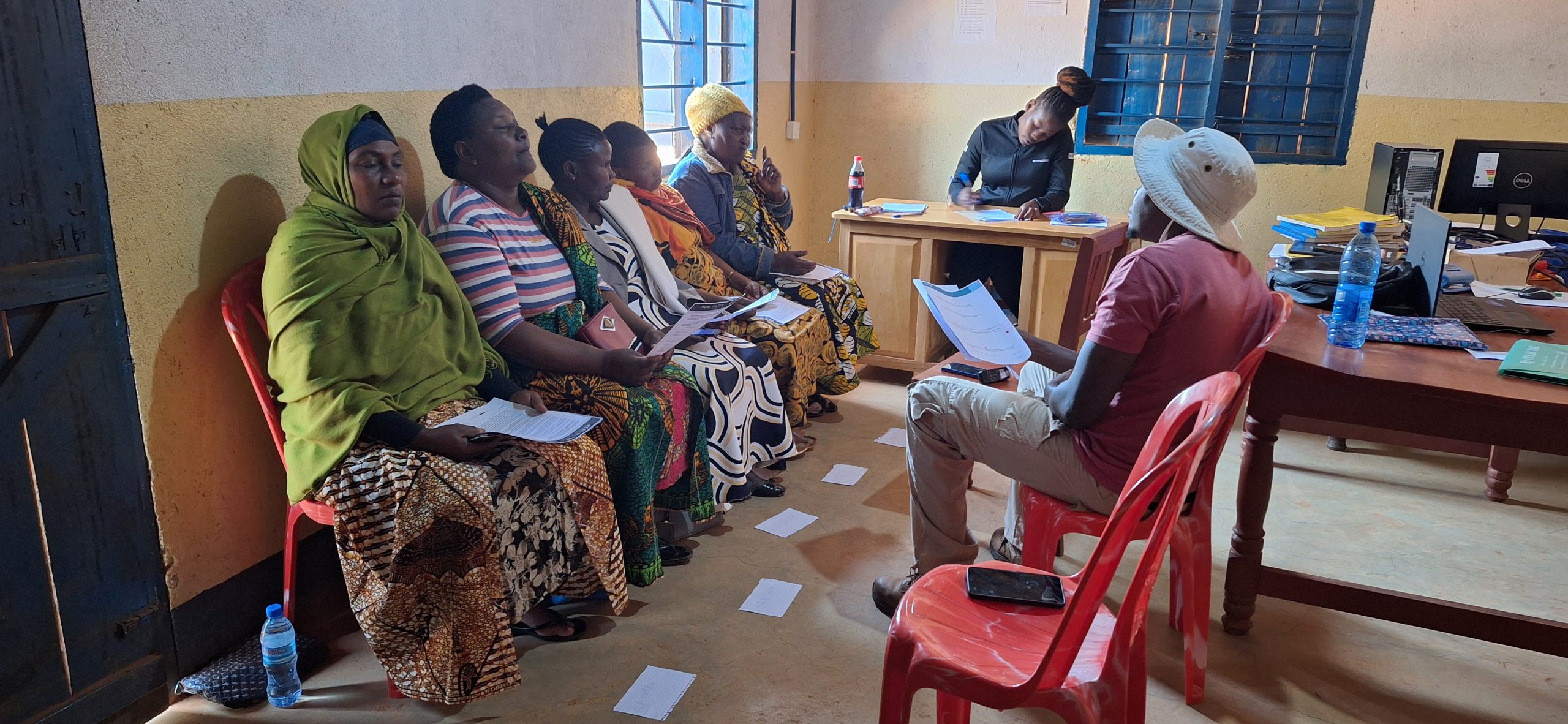
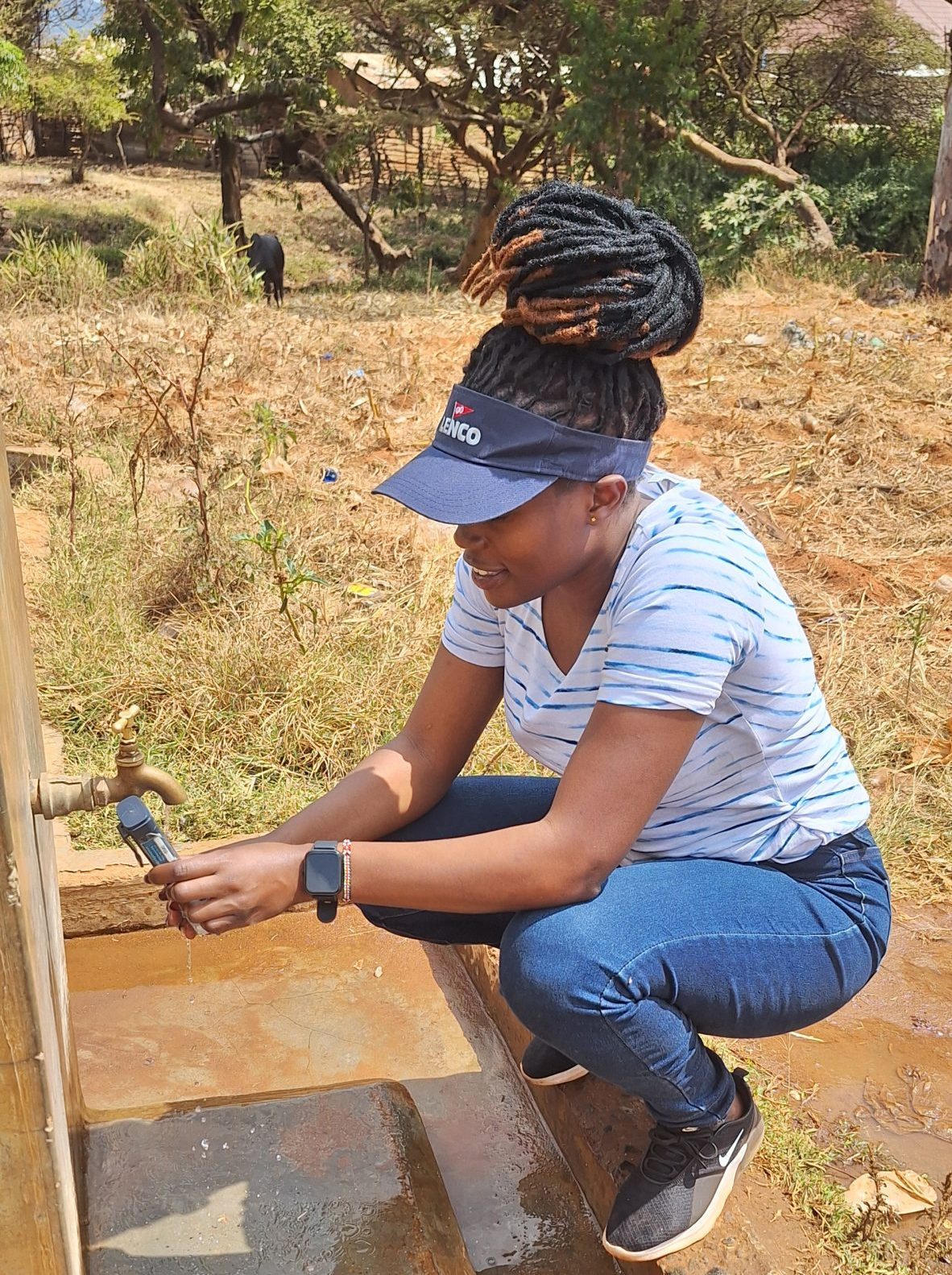
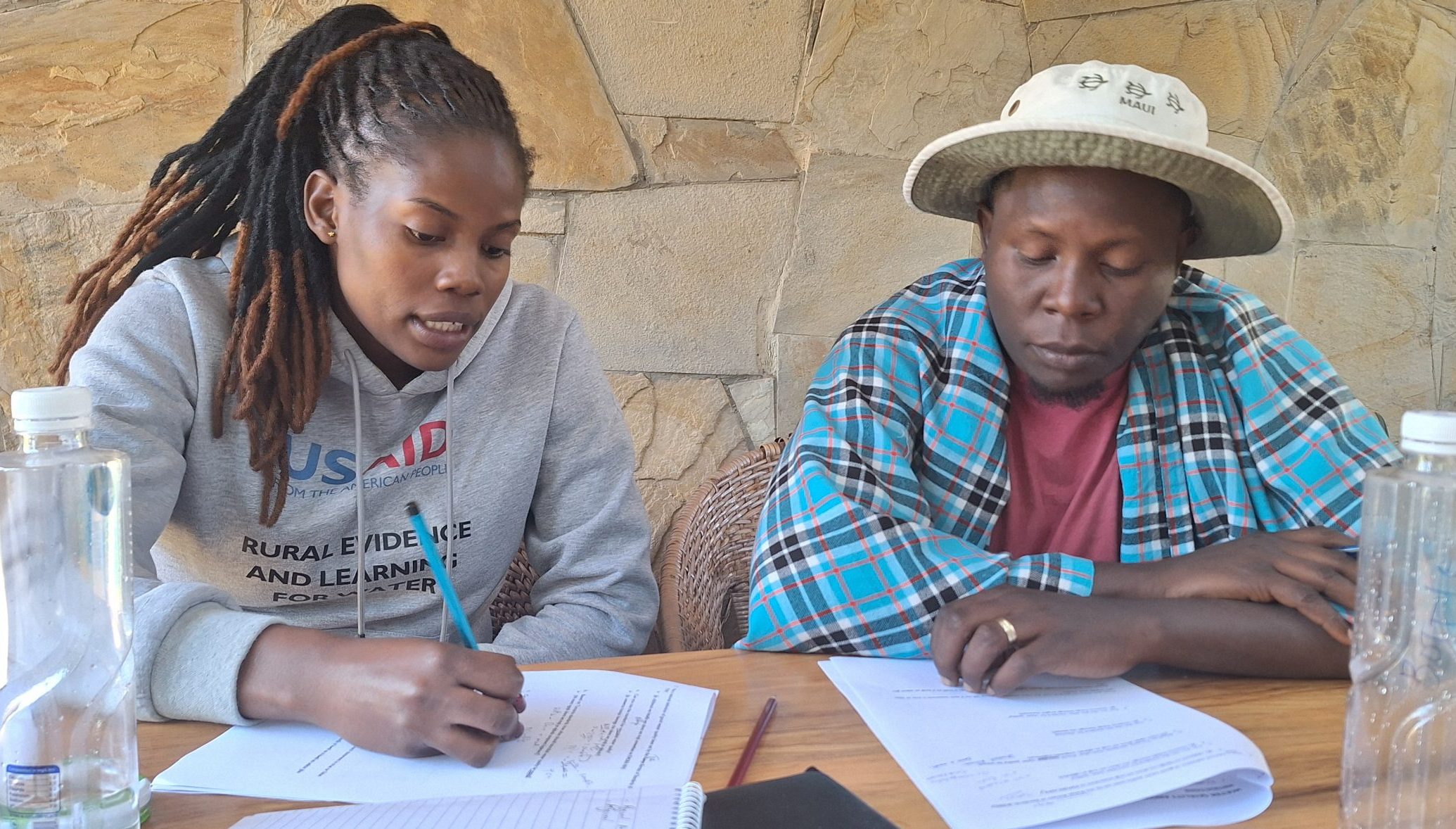

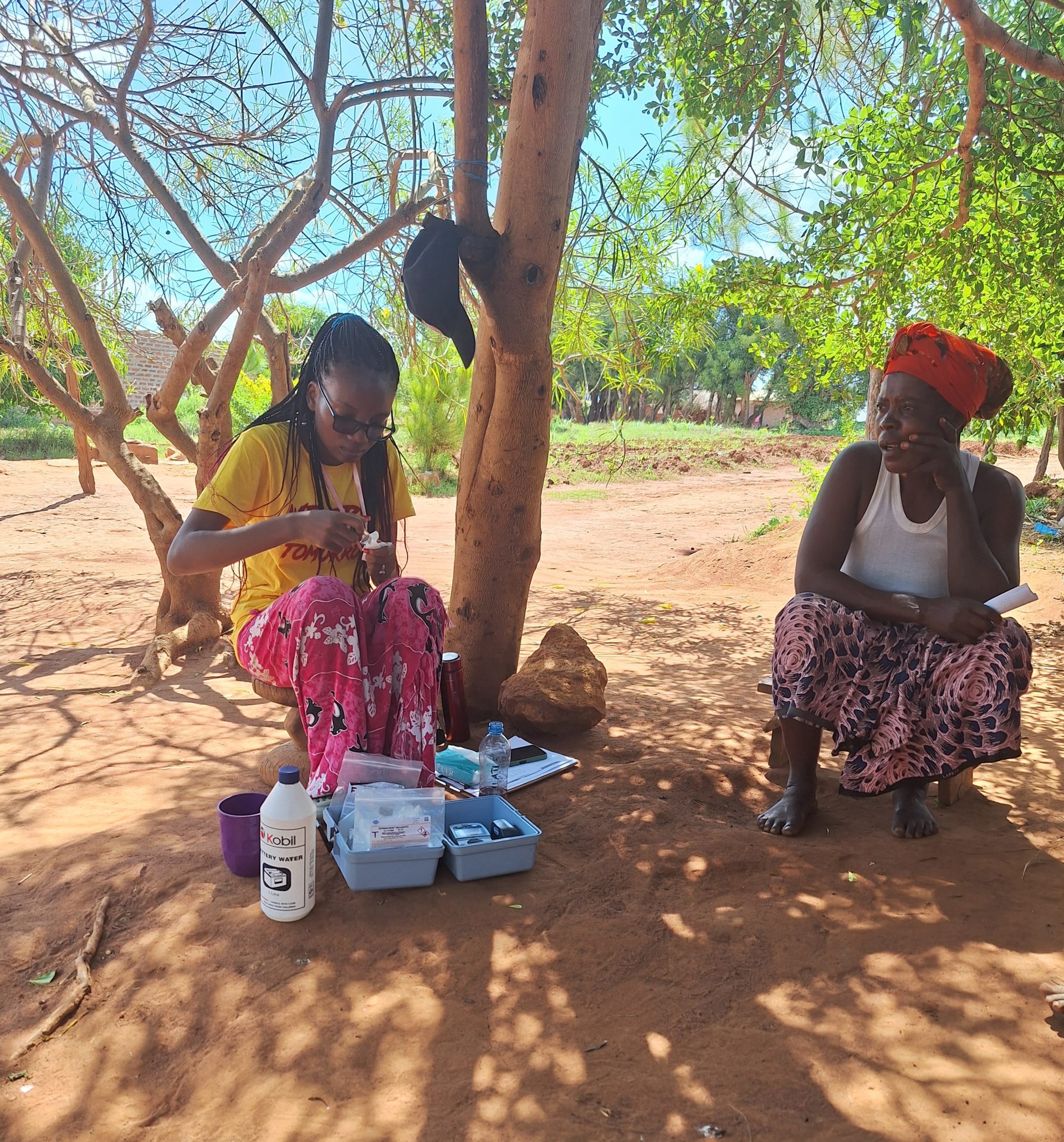
As of the sudden suspension in January 2025, REAL-Water research had taken place in 15 countries and was ongoing in 9 of those:
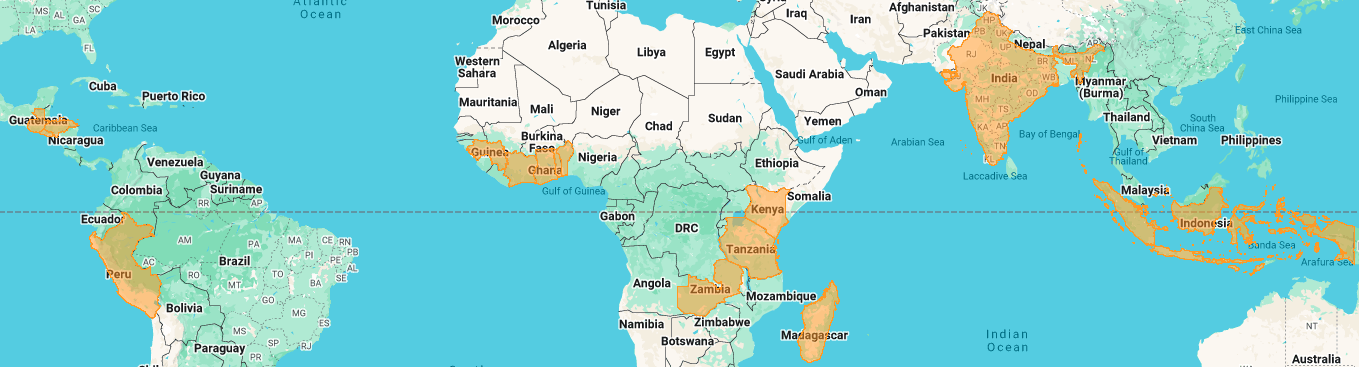
As of January 2025, 14 distinct research activities in 15 countries
🇧🇯 Benin, 🇨🇮 Côte d’Ivoire, 🇬🇳 Guinea, and 🇹🇬 Togo
- Water resource scarcity and conflict assessment
🇬🇭 Ghana
- Observational study of performance drivers among 150 rural water supply systems
- Evaluation of the Water Quality Assurance Fund
- Evaluation of Water Safety Plan implementation
- Benefit-cost analysis of on-premises supply
- Water resource scarcity and conflict assessment
🇬🇹 Guatemala, 🇭🇳 Honduras, and 🇸🇻 El Salvador
- Evaluation of incentives to improve circuit-rider supported in-line chlorination
🇮🇳 India
- Hydroclimate modeling via a Land Data Assimilation System (LDAS)
- Benefit-cost analysis of on-premises supply
🇮🇩 Indonesia
- Experimental and observational studies of measures to improve rural water system performance and water safety
🇰🇪 Kenya and 🇹🇿 Tanzania
- Evaluation of the Water Quality Assurance Fund
🇵🇪 Peru
- Scoping for possible study of the performance effects of rural water supply regulation
🇲🇬 Madagascar
- Assessment of interventions to support water resource development in the arid south
🇿🇲 Zambia
- Benefit-cost analysis of on-premises supply
Strengthening Water Safety
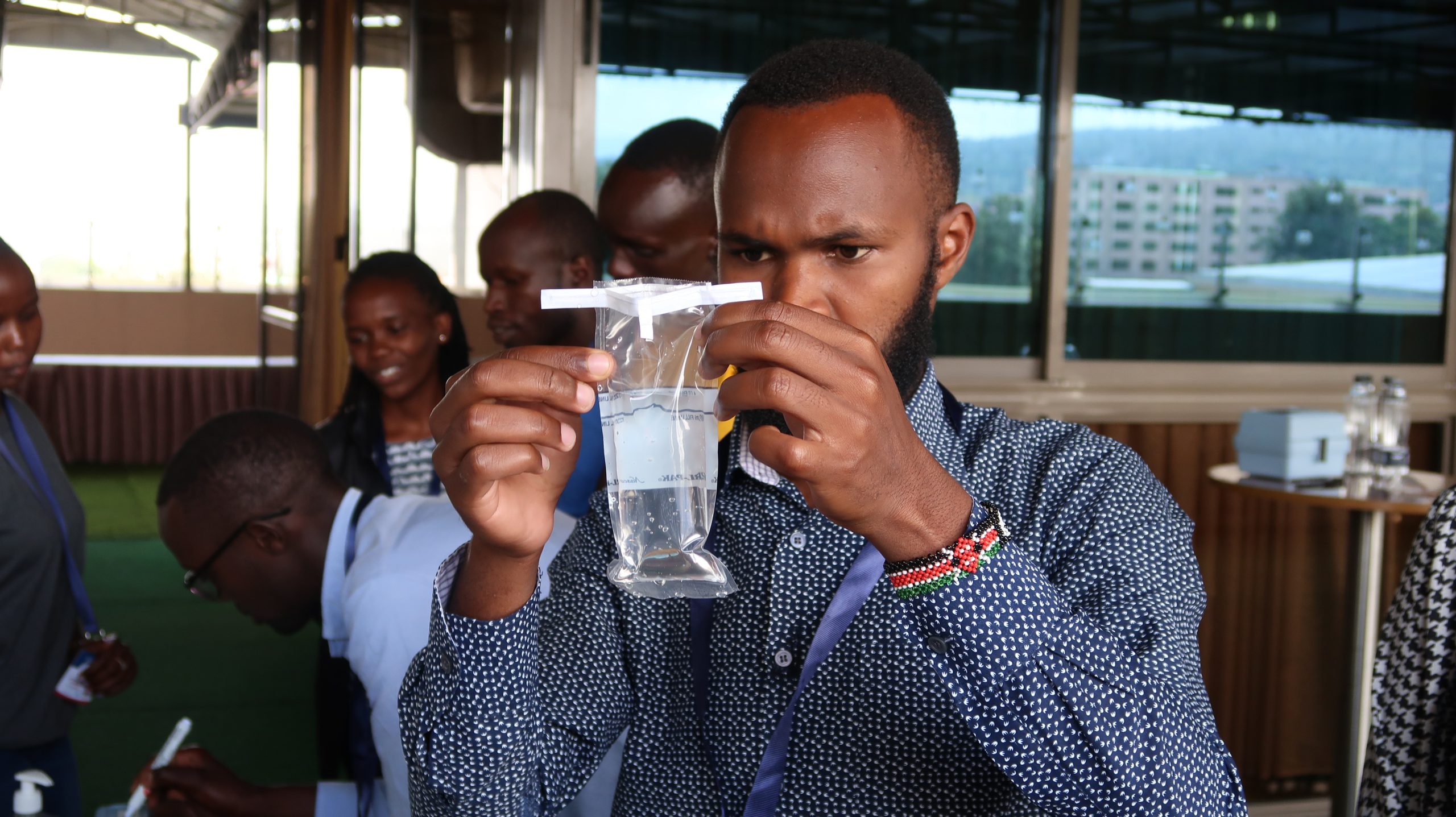
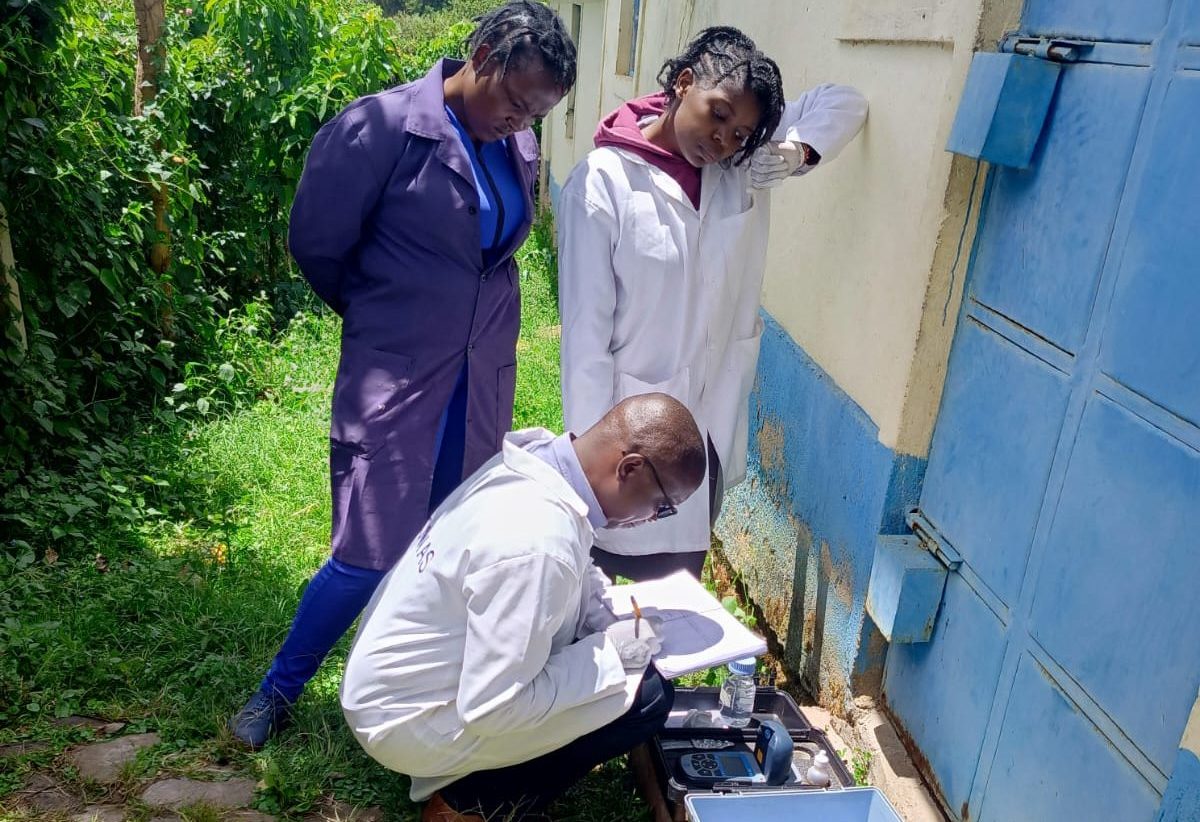
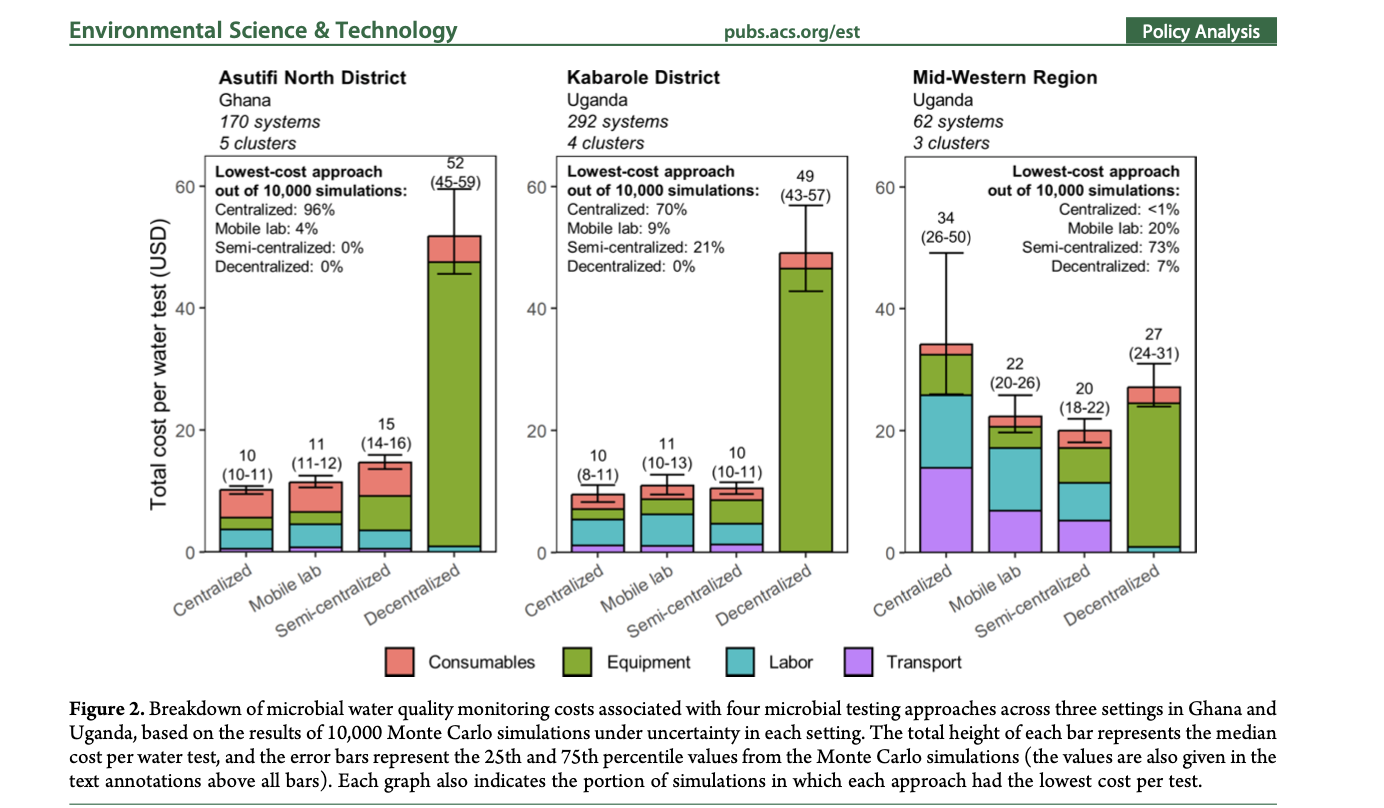
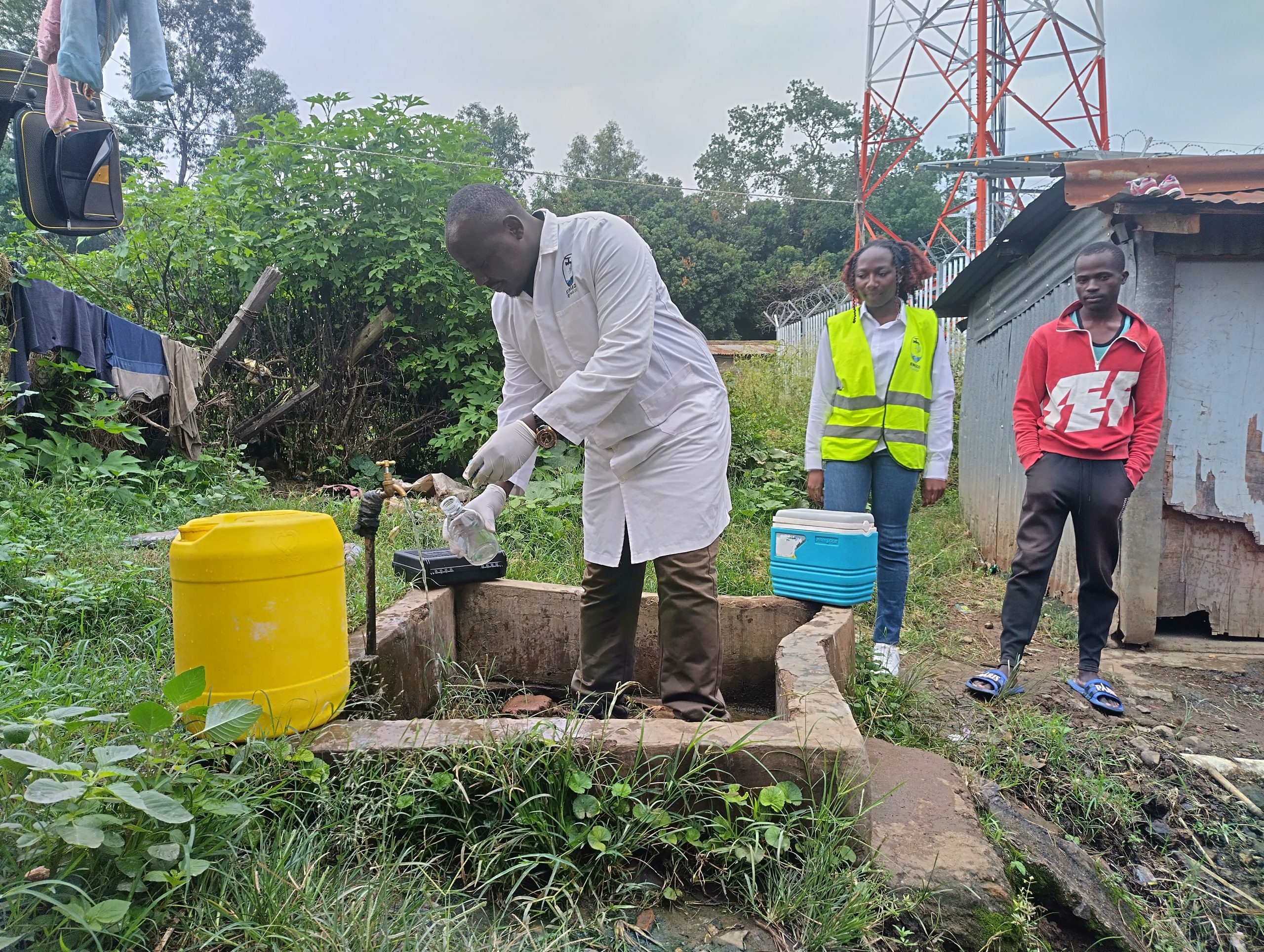
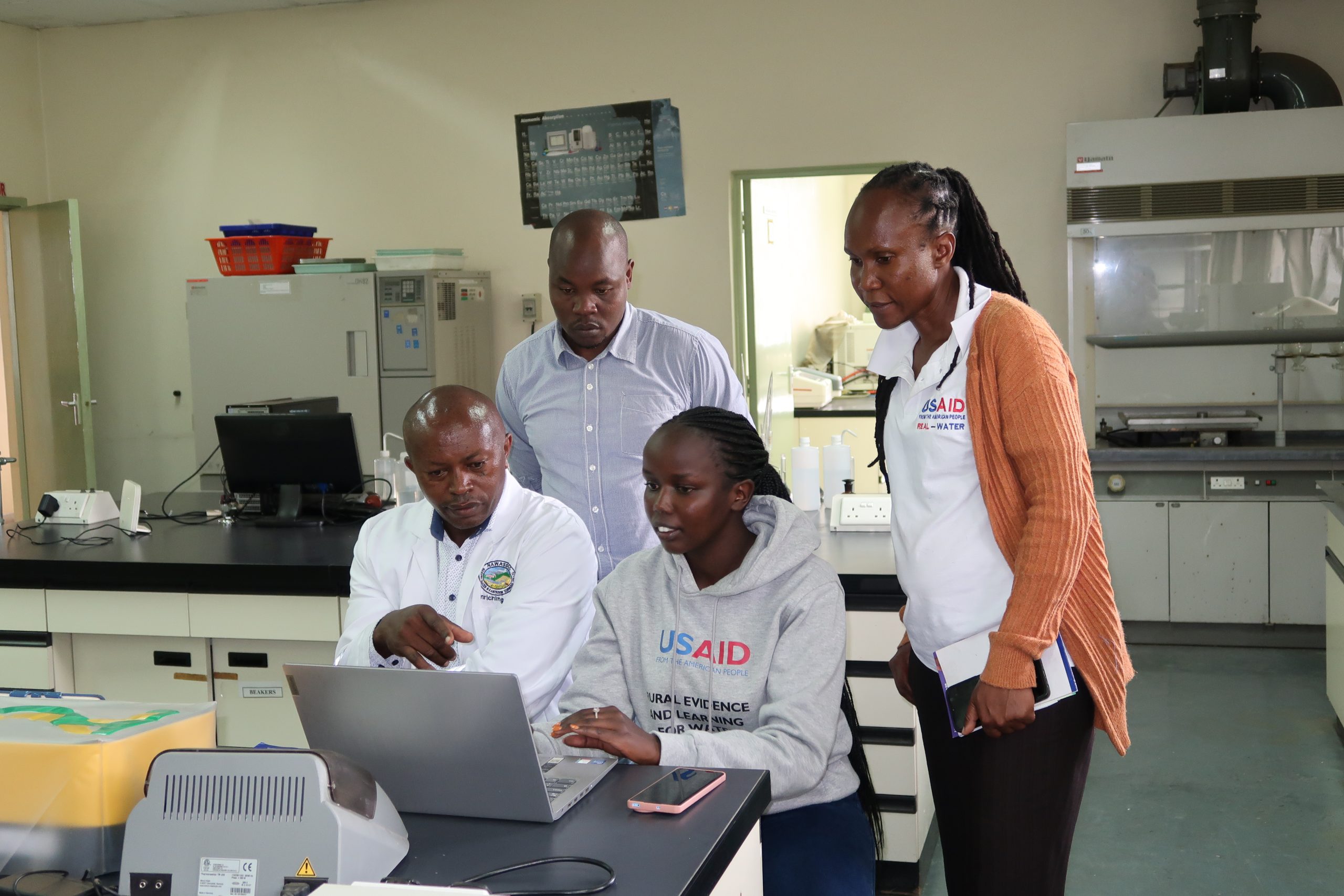
The Water Quality Assurance Fund is a highly cost-effective financial innovation developed by Aquaya to make sure that water quality testing actually occurs. It incentivizes professional urban laboratories to provide testing services to dispersed rural water supply systems by making sure that they are paid on time and in full. To carefully measure the outcomes of Assurance Fund implementation, we conducted randomized controlled trials (RCTs) in Ghana and Kenya that employ a stepped-wedge design among 69 participating water supply systems serving over a half-million people (34 systems in Ghana and 35 in Kenya). We were also in the process of initiating a preliminary evaluation of the Assurance Fund model among 6 water supply systems in the Manyara region of Tanzania when USAID programs were terminated.
Preliminary results from Ghana are very promising. Our analysis suggests that water quality testing data lead to action, with testing results enabling water system managers to identify operational problems and to carry out key improvements in infrastructure maintenance, including chlorination. Debrief meetings that accompany Assurance Fund participation appeared to strengthen capacity, operators in Ghana report improved customer relations, and participating local authorities have been inspired to register informal water system operators. This trial is currently co-funded by private foundations, and we anticipate that the full results will be publicly available in 2026.
RELATED RESOURCES:
- Report: Evaluating Water Quality Assurance Funds in Ghana: Baseline Assessment
- Report: Evaluating Water Quality Assurance Funds in Kenya: Baseline Assessment
- Report: Evaluating Water Quality Assurance Funds in Tanzania: Baseline Assessment
- Report: Water Quality Assurance Fund Implementation Manual
- Blog: A Rural Water Innovation and its Ripple Effect: Informal Water Operators Ready to Embrace Clean Water
- Blog: Expanding Professional Testing Services to Small Water Suppliers
- Video: Strengthening Water Quality Testing in Rural Areas: The Water Quality Assurance Fund
Water safety plans (WSPs) are a holistic and proactive approach to reduce risks that threaten the quality and resilience of water supplies. Though development agencies (including the World Health Organization and the United Nations Children’s Fund [UNICEF]) promote WSPs, and water sector policies and guidelines increasingly specify WSP implementation, there is limited evidence for the effectiveness of WSPs in rural settings. Rural Evidence and Learning for Water conducted a randomized trial of WSPs with 100 small, piped, rural water systems that Safe Water Network operates in Ghana. Endline data collection for this trial was scheduled to take place in December 2025, and as such, full results were not available at the time of REAL-Water’s termination in February 2025. In addition, we had planned to document the practicalities of WSP implementation for other service providers operating in rural Ghana: the Community Water and Sanitation Agency (CWSA) and community-based Water and Sanitation Management Teams (WSMTs), through approximately 15 case studies. A key baseline finding was that there were many opportunities for improved risk management in participating supply systems. As of April 2025, we have secured new funding to complete the trial in late 2025.
RELATED RESOURCES:
- Report: Evaluation of Water Safety Plans in Rural Ghana: Baseline Assessment
- Journal article: Ghana’s Water Safety Journey: A Review of Efforts Toward a Risk-Based Water Quality Management
- Report: Synthesis of Water Safety Planning Efforts in Ghana
In Central America, we explored research opportunities for a Circuit Rider-based support program for community-managed rural water systems that the non-profit, Cova, implements in Nicaragua and Honduras. At the time of REAL-Water’s termination, we conducted scoping studies to evaluate expansion options for the Circuit Rider program in El Salvador and Guatemala. We had also developed a research plan to measure the effects of management incentives on the operation of inline chlorinators installed at Cova’s Circuit Rider-supported systems in Honduras. We planned two activities in Honduras 1) a randomized evaluation of the Cova program, with and without additional community incentives; and 2) a chlorine taste detection and acceptability experiment. This research was on track to launch in March 2025 but was cut short due to project termination.
RELATED RESOURCES:
- Brief: Implementation and Expansion of Circuit Rider Supported Passive Chlorination in Piped Distribution Systems in Guatemala
- Brief: Implementation and Expansion of Circuit Rider Supported Passive Chlorination in Piped Distribution Systems in El Salvador
Improving the Performance of Rural Water Supply Systems
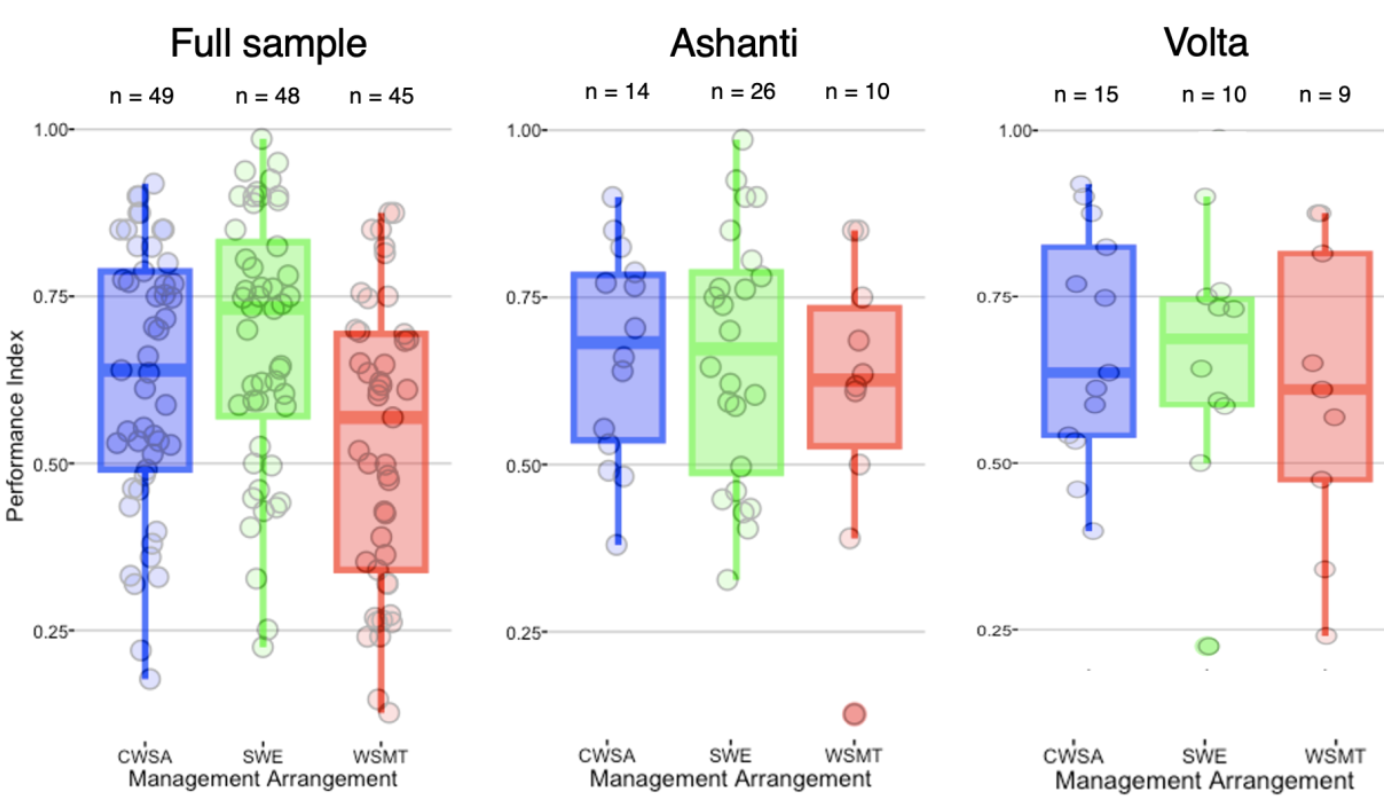
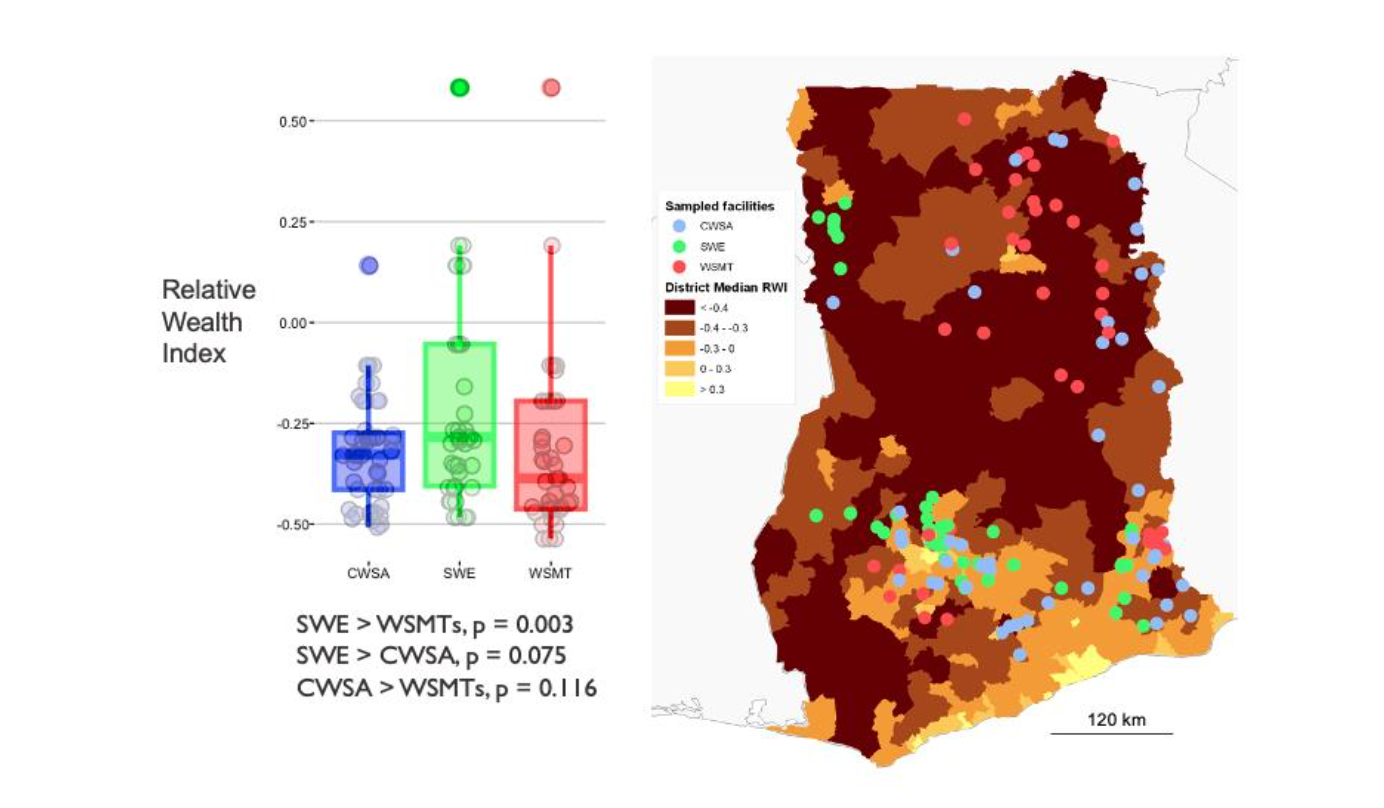
In Ghana, we conducted a large quantitative observational study of the drivers of performance of rural piped water supply facilities in 2023. For most metrics, the observed differences among the three management arrangements in place (government service provision, community-based management, and donor-funded safe water enterprises) were unexpectedly modest. The immediate implication of this finding is that investment and support for specific management practices, such as digitization, metering and tariff recovery, training, and reporting may be more important than the management arrangement under which they operate per see.
This study was accompanied by a political economy analysis that recognized a regulatory vacuum for rural water service provision resulting in minimal supervision and oversight, low support for community-managed facilities, and minimal direction on how to finance rural water services in Ghana. Additionally, we found that the absence of a national strategy for rural water development in Ghana leads to a “free-for-all” with respect to service provision models and actors, and a blurring of mandates between different government agencies.
The lack of consistent performance differences among rural water supply management arrangements in Ghana showed that arrangements themselves are not the critical determinants for achieving higher levels of service delivery. It also suggests that more support to professionalize and implement clear regulations for any management arrangement would improve rural water supply performance, representing a departure from the current emphasis on introducing different management arrangements in the search for better outcomes.
RELATED RESOURCES:
- Report: Performance of Rural Piped Water Supply Facilities in Rural Ghana
- Report: Desk Study: Professionalizing Rural Water
- Report: Emerging Findings in Rural Water Service Management
- Report: Political Economy Analysis of Rural Water Performance Under Different Management Arrangements in Ghana
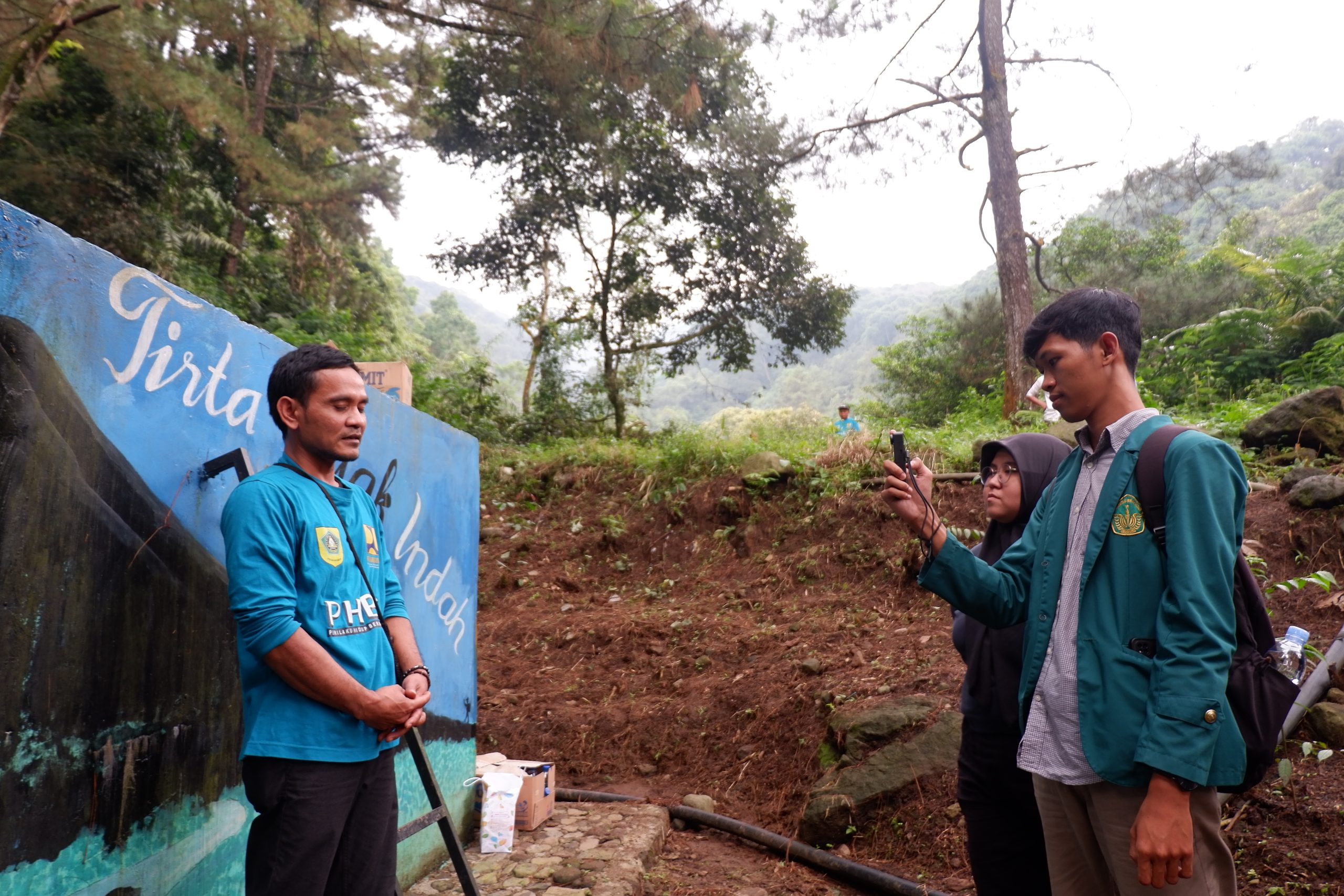
In Indonesia, we initiated a research collaboration with the government’s Penyediaan Air Minum dan Sanitasi Berbasis Masyarakat (PAMSIMAS) community-based drinking water supply and sanitation program in 2024. REAL-Water consortium members executed surveys of 166 rural water systems across seven regencies and conducted interviews with 24 local government agencies across three regencies. We also analyzed large government datasets on rural water development. Analytical outputs from the first year of activities were ongoing at the time of project termination in February 2025. Key insights from the initial analysis of water system surveys and data review include:
- Community-based service providers (KPSPAMs) in Indonesia lack the technical, financial and managerial capacity to ensure high-performing water services, with 20-25% of schemes surveyed in a state of disrepair.
- KPSPAM tariffs are often set at levels that only cover basic operating costs, with little consideration of longer-term lifecycle costing (repairs, replacement, expansion, etc.) and 10-25% of households fail to pay tariffs.
- External support to KPSPAMs is often lacking or ad hoc. Policy is unclear regarding if and how the government should provide post-construction support to KPSPAMs.
- The majority of KPSPAMs are independent of village government, but there is a perception that if village governments integrated KPSPAMs, they would have greater access to financial support, and there are clear institutional mechanisms to enable this.
- Despite an established management information system (MIS) and regular data collection, KPSPAMs do not use performance data strategically to drive improved service performance, and there are questions about the sustainability and accuracy of the existing MIS.
- Microbial contamination of water supply is common and centralized treatment is rare, with >70% of systems supplying water with fecal contamination.
Rural Evidence and Learning for Water activities in Indonesia aimed to address key evidence gaps and generate insights that will enable safer, more sustainable water services, particularly those established under the government’s PAMSIMAS (Indonesia’s current large-scale community-based rural water supply and sanitation flagship program) and PAMSSANIMAS (the PAMSIMAS successor) initiatives. This research was planned to launch in April 2025 but was cut short due to project termination.
RELATED RESOURCES:
- Report: A Legal and Policy Review of Rural Water Services in Indonesia
- Video: Launch of REAL-Water Research in Indonesia: Advancing Rural Water Sustainability and Policy
The consolidation of rural water systems under national or regional water authorities is a policy measure that has gained increasing attention in recent years. To capture learnings from water supply consolidation in high-income countries, REAL-Water conducted a comprehensive desk study of water system consolidation policies and their effects across Organisation for Economic and Co-operative Development (OECD) member countries, supplemented by key informant interviews.
RELATED RESOURCES:
We conducted a scoping study of regulatory reforms in Peru intended to improve rural water supply services, with the possibility of identifying field research opportunities for REAL-Water or other organizations. We conducted the field visit in early 2024, with meetings with SUNASS in both Lima and in two regions, with regional-level and municipal government representatives, and with rural water supply operators. We also met with relevant nongovernmental organizations (NGOs) to learn their perspectives on rural water regulation and completed a report with recommendations.
RELATED RESOURCES:
Incorporating Water Resources Management Into Water Supply Planning
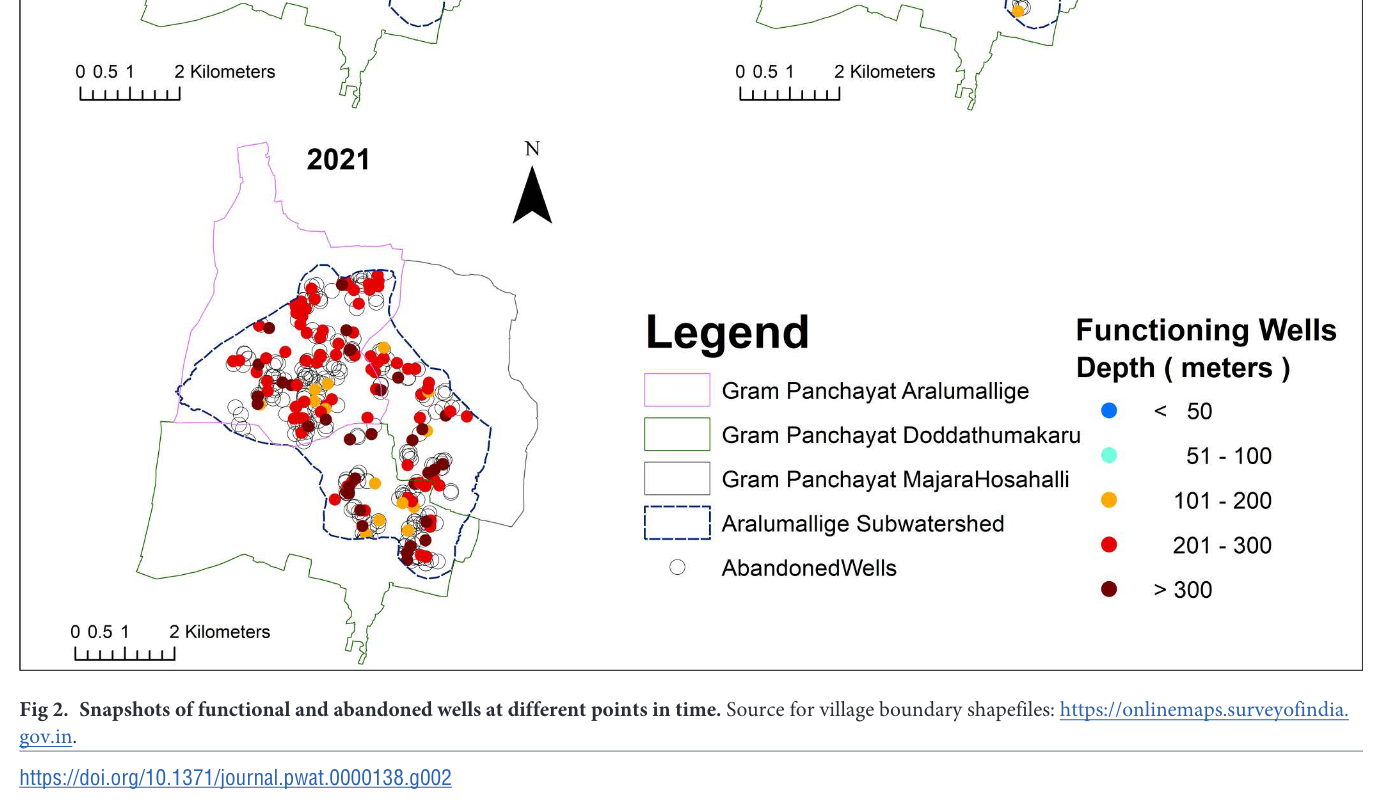
India faces some of the world’s most acute water resource-driven water supply challenges, with REAL-Water-supported research showing where agricultural irrigation withdrawals are already affecting village water supplies. A central objective of Rural Evidence and Learning for Water’s water resources-focused research was to deliver actionable information in support of India’s Jal Jeevan Mission, the world’s largest rural water development program.
Rural Evidence and Learning for Water team members built a regional-scale hydroclimate model of peninsular India and also conducted stakeholder interviews with hydrologists, climate scientists, and government officials. We also convened a “State of the Science” workshop in July 2024 in Delhi to explore applications of hydroclimate modeling to water resource planning and policy.
The modeling activity began with the design and application of a regional-scale Land Data Assimilation System (LDAS) to simulate conditions across all of Peninsular India. Implementation of this LDAS in a baseline condition included identification of credible meteorological input datasets and land surface parameter sets appropriate for Peninsular India. We tested several combinations of input datasets and evaluated the system for realism.
Prior to Rural Evidence and Learning for Water’s termination, we planned to develop an ensemble of future climate projections representing different emissions scenarios and model projections to simulate the evolution of the water balance in the study region through the year 2100.
The preparatory and formative work that preceded REAL-Water’s hydroclimate research in India included a comprehensive desk analysis of the degree to which comprehensive water resources planning is occurring (or lacking) in India as well as a consolidation of Indian government geographic information system (GIS) into a harmonized district-level dataset on groundwater quality, aquifer properties, and groundwater exploitation.
RELATED RESOURCES:
- Publication: Chasing the water table: The impact of groundwater depletion on rural drinking water supply in peninsular India
- Report: Baseline Land Data Assimilation System for Peninsular India
- Report: Planning for India’s Rural Water Development in the Jal Jeevan Mission Era
- Brief: As Water Stresses Increase, Rural Water Development Requires More Coordination Across Water Use Sectors
- Brief: Integrated District-level Water Quality and Scarcity Estimates for India
- Video series: Science Roundtable: Climate and Water Resources Modeling in India
REAL-Water Responses to USAID Mission Research Requests
In 2023-2024, REAL-Water executed an assessment of water supply and management needs in Southern Madagascar in response to a request from the USAID/Madagascar Mission to develop actionable recommendations for USAID’s short- to medium-term programming in the arid south of Madagascar. Rural Evidence and Learning for Water’s report highlighted opportunities to leverage other ongoing large investments in southern Madagascar, with a focus on improving performance of newly installed and rehabilitated rural water infrastructure.
RELATED RESOURCES:
- Report: Management Opportunities: Southern Madagascar Water Assessment
- Report: Technical Report: Southern Madagascar Water Assessment
REAL-Water conducted a lifecycle cost and affordability study of on-premises water services in rural and small-town settings in response to a request from USAID headquarters. Fieldwork for this study in India, Ghana, and Zambia is complete, with data analysis ongoing as of February 2025 on the following topics:
- the household-level benefits associated with shared and on-premises water connections;
- the costs of providing and maintaining shared and private on-premises water connections as borne by governments, utilities, and/or other implementers;
- the affordability of shared and private on-premises water connections; and
- the political economy of rural water development.
This on-premises service research clarifies the degrees to which the lifecycle (capital, operating, and maintenance) costs of on-premises services can be supported by consumers in small towns and rural growth centers, recognizing that willingness and ability-to-pay for these services is geographically variable.
REAL-Water had begun supporting the USAID/West Africa Mission’s Regional Economic Growth Office in a regional assessment of the interactions among drinking water, water resources management, and conflict, particularly violent extremism. This assessment was to build upon previous work on improving the understanding of the connection between water security and conflict in the region and to inform the design of future activities that could combat the influence of violent extreme organizations. REAL-Water completed a rapid assessment of northern Benin and was in the process of completing assessments in northern Côte d’Ivoire, northern Ghana, northern Togo, and eastern Guinea at the time of REAL-Water’s termination.
Additional Project Reports and Cross-cutting Resources
REAL-Water produced reports and briefs on financial and technological innovations for rural water supply in low-resource settings.
RELATED RESOURCES:
- Report: Financial Innovations for Rural Water Supply in Low-resource Settings
- Brief: Financial Innovations for Rural Water Supply in Low-resource Settings
- Report: Technological Innovations for Rural Water Supply in Low-resource Settings
- Brief: Technological Innovations for Rural Water Supply in Low-resource Settings
- Blog: 9 Tech Innovations to Watch in Rural Water Supply
REAL-Water compiled short reports describing the institutional frameworks for water supply in Kenya, Uganda, and Tanzania.
RELATED RESOURCES:
- Institutional Framework for Water Supply Uganda
- Brief: Institutional Framework for Water Supply Kenya
- Brief: Institutional Framework for Water Supply Tanzania
This blog post consolidates research under the Rural Evidence and Learning for Water (REAL-Water) project, which was supported by a cooperative agreement between the United States Agency for International Development (USAID) and The Aquaya Institute. The contents of this post are the sole responsibility of The Aquaya Institute and do not necessarily reflect the views of USAID or the United States Government.