July 2023
Is Consolidation the Answer to Improving Rural Water Services in Low-income Countries?
Lessons from OECD country experience
Exploring alternatives
Ensuring access to safe and reliable water services in rural areas remains a significant challenge, particularly in low-income countries. The Sustainable Development Goal (SDG) 6.1 targets for 2030 have set the bar high, but as of 2020, most countries were not on track to achieve them. Community-based management (CBM) emerged as a predominant approach, but its limitations have become evident. In response, governments in low- and lower-middle-income countries are exploring alternative management arrangements. An emerging trend suggests that consolidation could be a key strategy to address the decentralized and fragmented nature of the rural water sector.
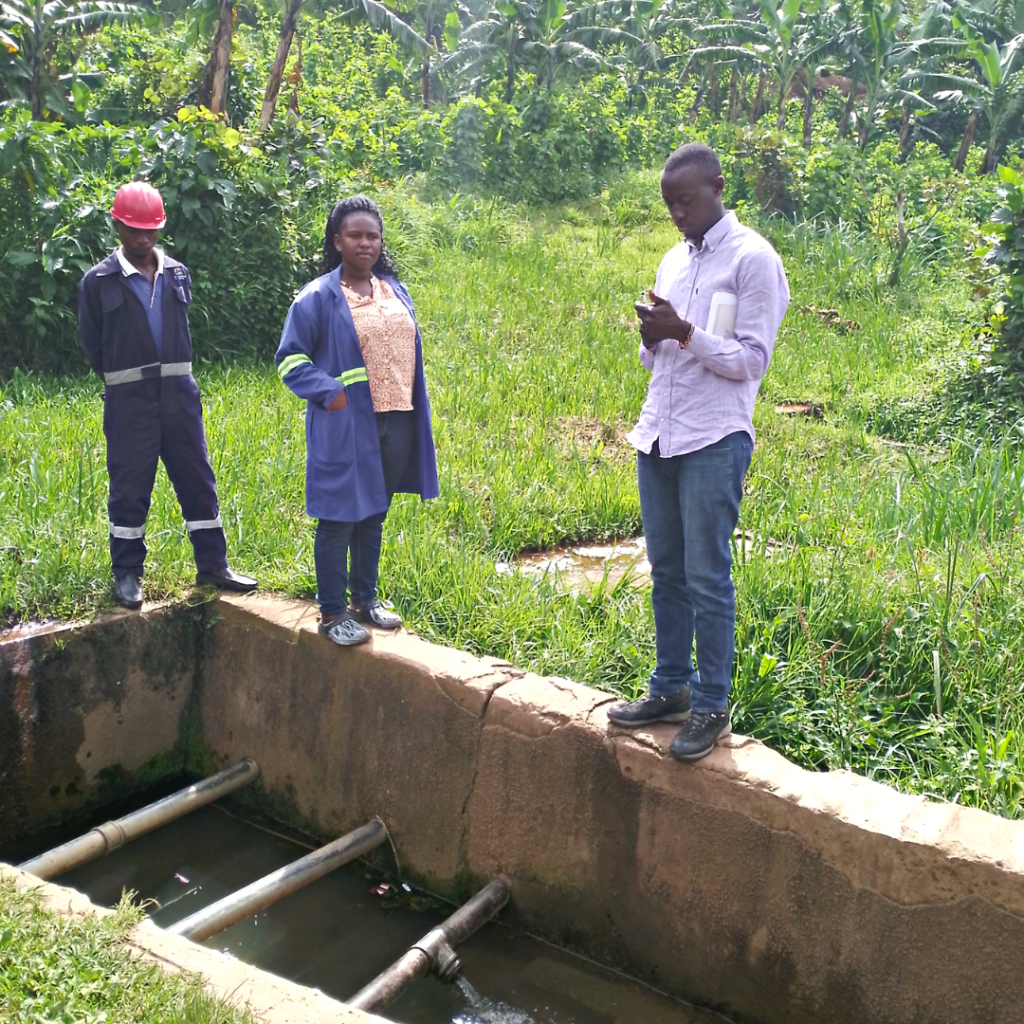
Why Consolidation?
In response to the challenges of CBM, consolidation is emerging as a promising trend. Governments are adopting approaches that involve grouping together rural water supply schemes into larger service areas or expanding the responsibilities of existing service providers across multiple regions.
The goal is to achieve economies of scale, increase the revenue base, reduce overhead costs, and mitigate risks associated with infrastructure failure. While this trend has been successfully implemented in some countries, achieving full coverage across all rural areas remains a long-term process. Nonetheless, consolidation presents an exciting opportunity to address the complexities of rural water service provision and pave the way for enhanced effectiveness.
DISCLAIMER: This brief is made possible by the support of the American people through the United States Agency for International Development (USAID). The contents of this brief are the sole responsibility of The Aquaya Institute and REAL-Water consortium members. They do not necessarily reflect the views of USAID or the United States Government.