January 2025
Africa Water Quality Testing Fellowship Curriculum
The importance of water quality cannot be overstated, especially in sub-Saharan Africa, where unsafe drinking water remains a significant public health challenge. By training the next generation of water quality experts, this fellowship program ensures that students are prepared to address today’s challenges and equipped to innovate for a healthier, more sustainable future. The curriculum is designed to equip students with practical skills, deepening their understanding of water quality testing and ensuring they are ready to tackle the region’s water challenges head-on.
What is the Africa Water Quality Testing Fellowship?
With backing from the Conrad N. Hilton Foundation, Aquaya partnered with universities in Ethiopia and Uganda to establish a student fellowship program. The Africa Water Quality Testing Fellowship offers an innovative educational program to equip undergraduate science and engineering students with the skills required for water quality testing and data analysis. The program bridges the gap between classroom learning and field-based application by focusing on practical knowledge. Fellows will understand their communities’ water quality issues and learn how to implement effective testing methods to ensure safe drinking water.
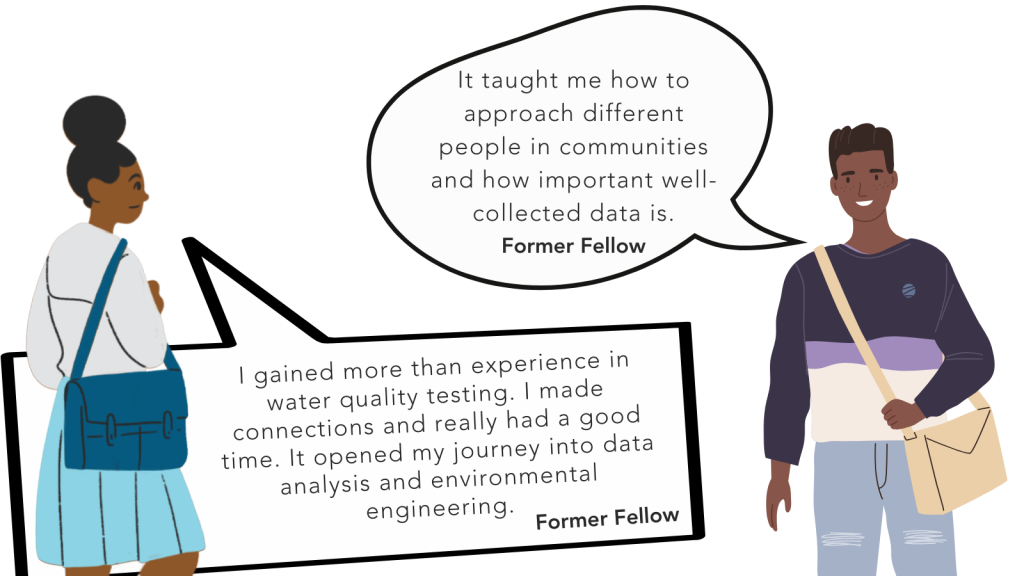
Core Components of the Curriculum
Core Modules
The fellowship curriculum is structured around six core modules, each focusing on a critical aspect of water quality. You can access the introduction documents and module 1 right away. To access the full set of modules, just sign up here.
- Background on Drinking Water Quality – An overview of water quality, sources of contamination, and key parameters to monitor.
- Health Impacts of Drinking Water Quality – Understanding the health risks associated with poor water quality.
- Drinking Water Quality Parameters and Contaminants – An overview of key physical, chemical, and microbiological parameters and the latest water testing methods.
- Analytical Methods for Testing Drinking Water – Knowledge and experience to properly collect and accurately test water samples.
- Data Data Analysis and Reporting – Skills to analyze and interpret water quality data effectively.
- Drinking Water Treatment and Water Safety Plans – Techniques for managing and improving water quality in different settings.
These modules were designed to offer a mix of theory and practical experience, ensuring that students leave with hands-on skills.
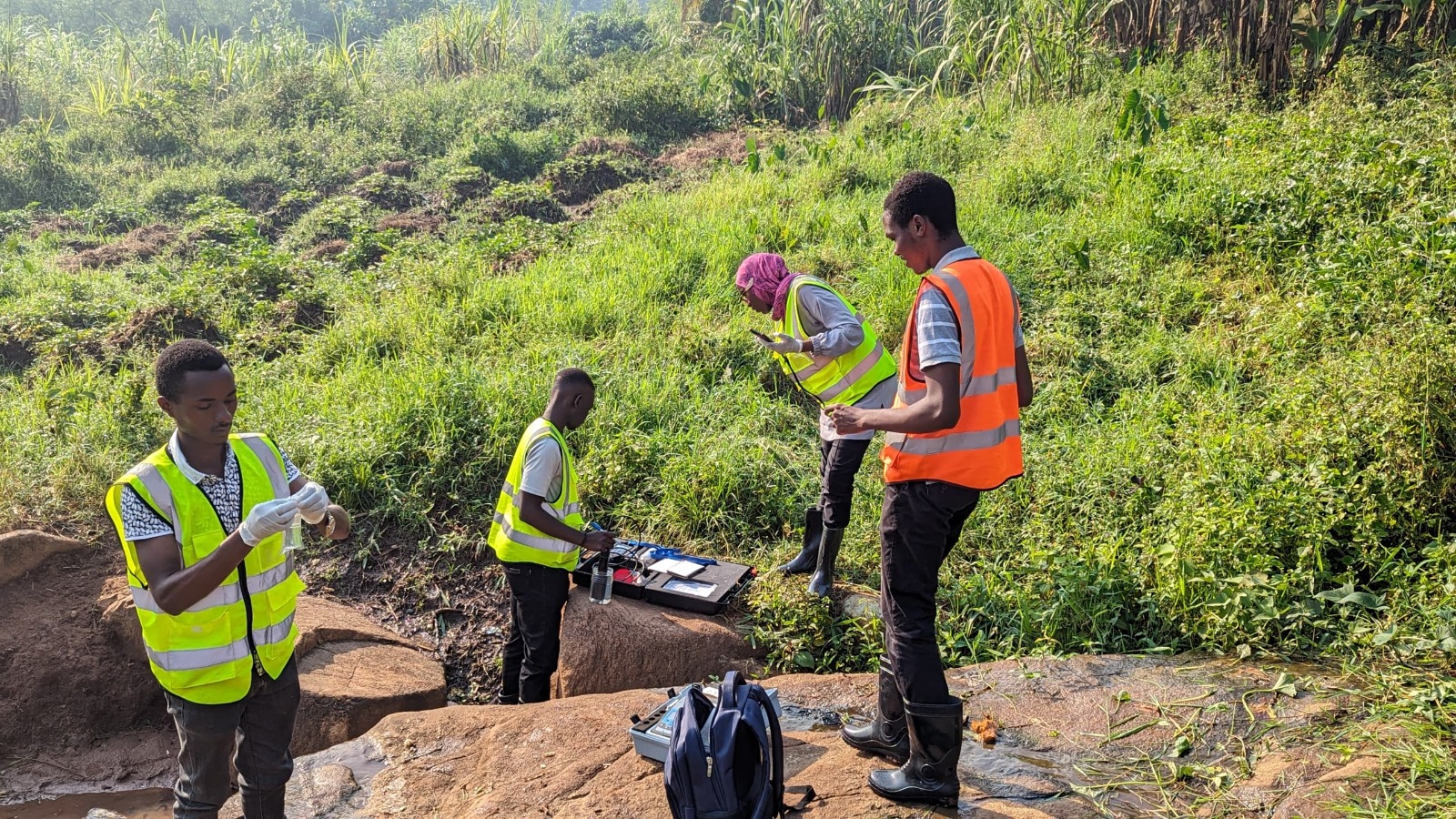
Field Data Collection Experience
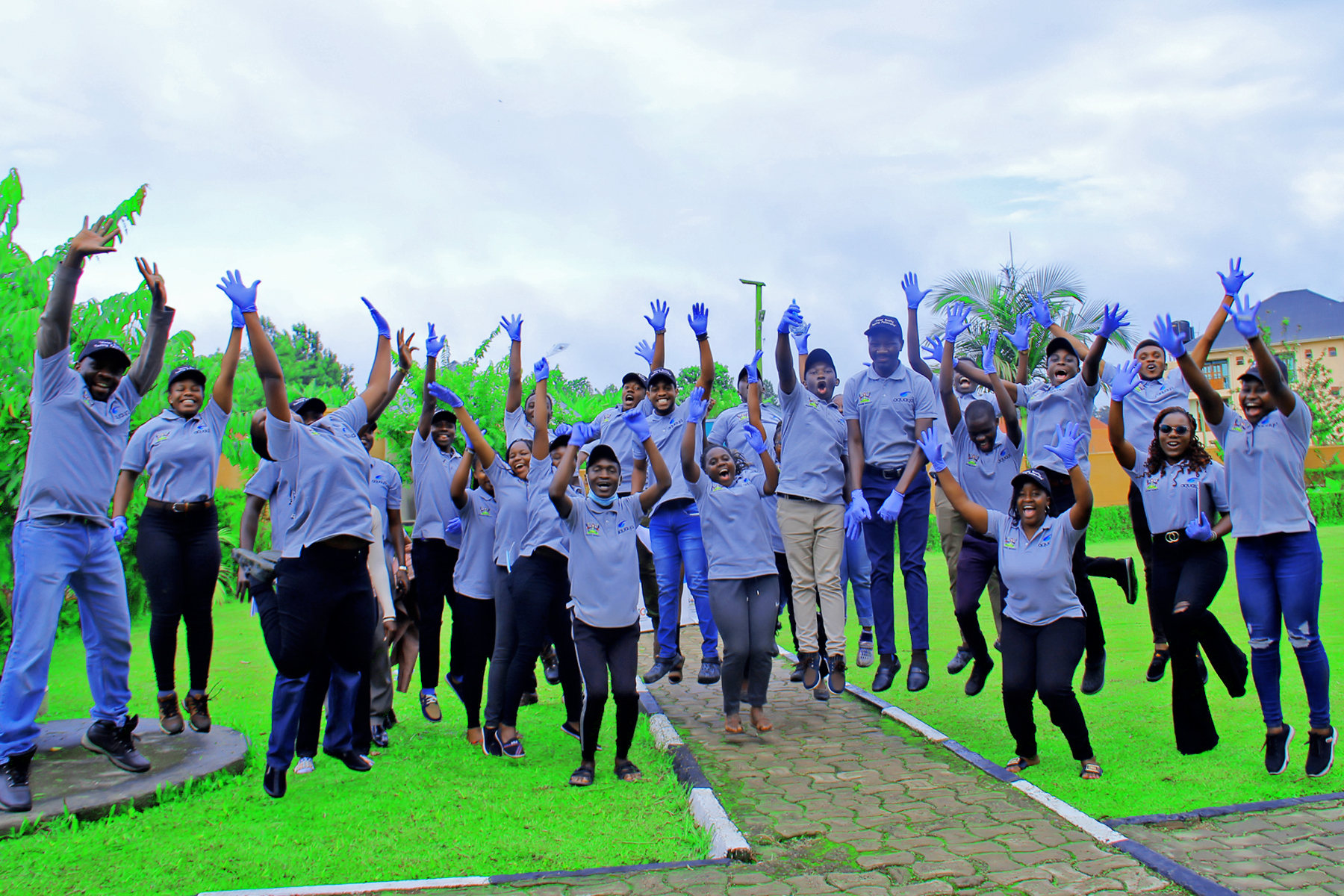
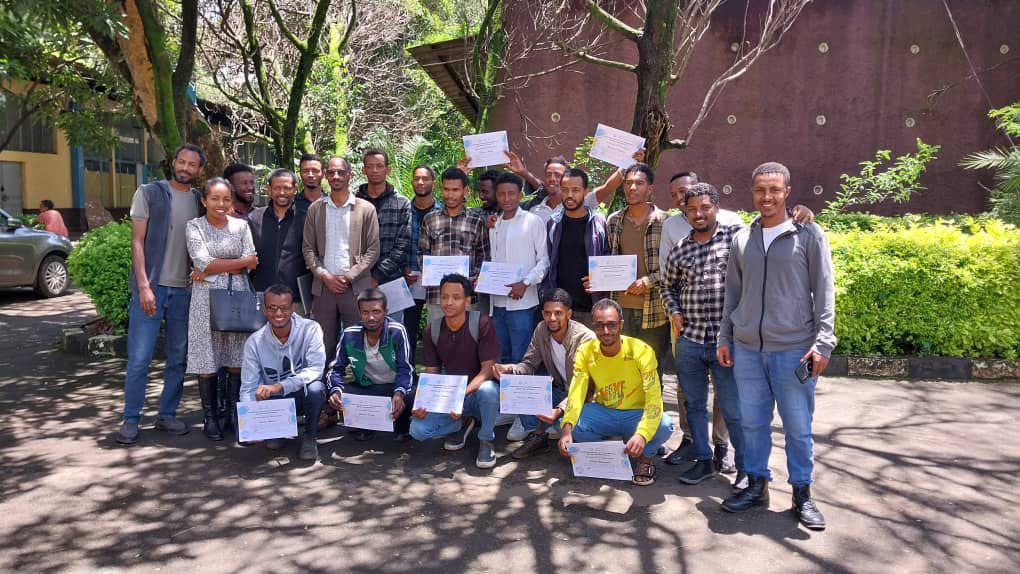
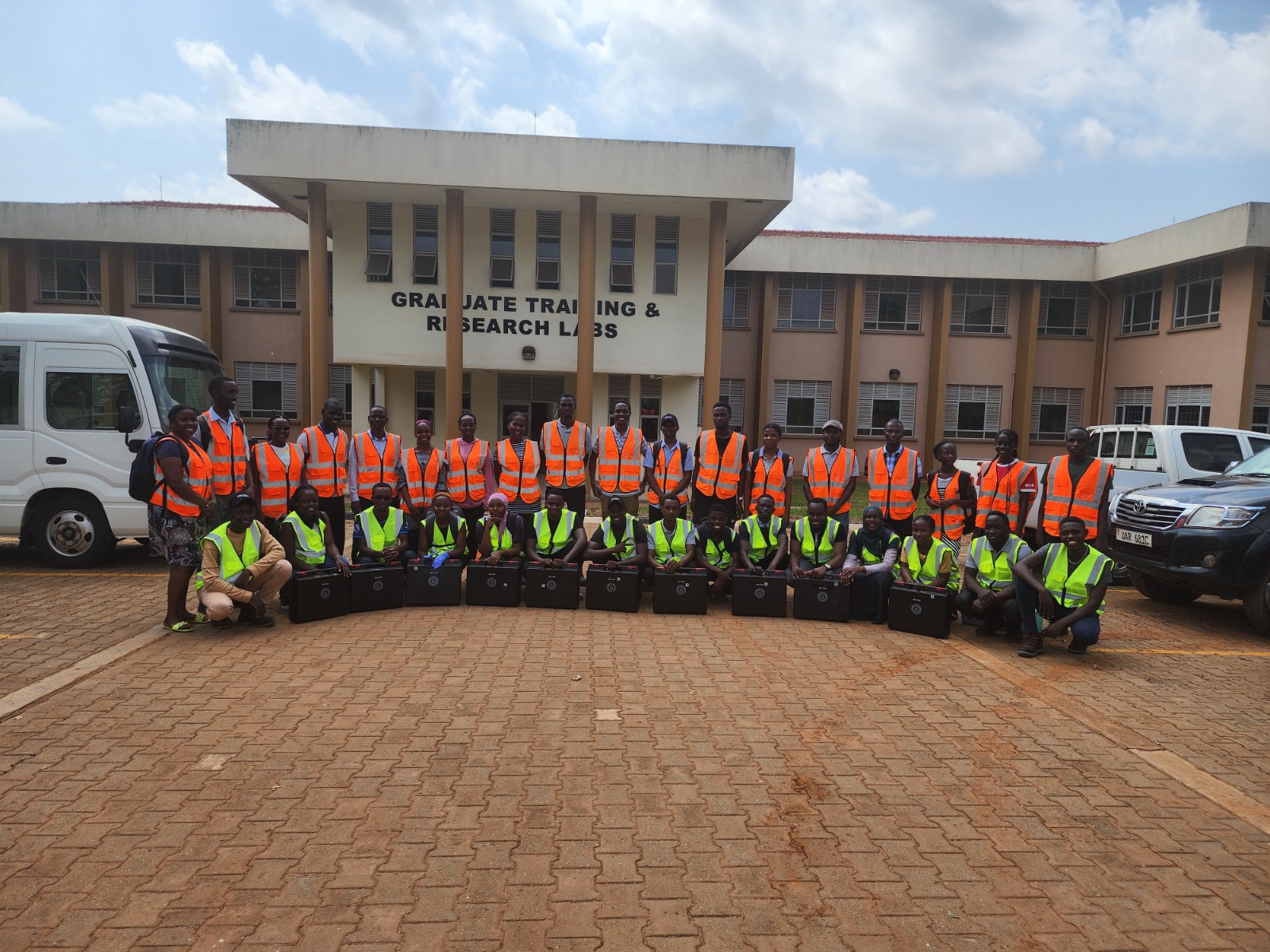
A cornerstone of the fellowship is its fieldwork component. Students have the opportunity to apply the theoretical knowledge gained in class through hands-on experience in the field. They conduct water point surveys, test water quality parameters, and learn essential quality control practices. This immersion in real-world challenges is what sets the fellowship apart.
Seminar Series
Throughout the program, students attend seminars and engage in discussions with international WASH experts. These seminars cover a range of current topics in water quality and public health, giving students insights into emerging trends and challenges in the field.
Key Features of the Curriculum
- Adaptability: The core curriculum can be customized to fit different institutions and programs.
- Interactive education: This isn’t a series of boring lectures. The curriculum is chock full of group activities and opportunities for students to reflect, discuss, and learn while doing.
- Real-world application: Fellows don’t just learn—they practice, ensuring they can apply their knowledge in real-world settings.
How to Get Involved
Are you part of an academic institution looking to enhance your WASH education? The Africa Water Quality Testing Fellowship curriculum is available for adoption by universities, colleges, or other institutions across sub-Saharan Africa. Take a look at the core curriculum materials below:
Curriculum Materials
- Copyright and Fair Use Disclaimer
- Water Quality Testing Fellowship Curriculum Overview
- Fellowship Instructor Information
- Module 1: Background on Drinking Water Quality
- Module 2: Health Impacts of Drinking Water Quality
- Module 3: Drinking Water Quality Parameters and Contaminants
- Module 4: Analytical Methods for Testing Drinking Water
- Module 5: Data Analysis and Reporting
- Module 6: Drinking Water Treatment and Water Safety Plans
The core curriculum materials were jointly developed by staff members from the Aquaya Institute (Dr. Meseret Dessalegne, Dr. Anna Murray, Dr. John Trimmer), Bahir Dar Institute of Technology Faculty of Civil and Water Resource Engineering (Eshetu Assefa, Dr. Dagnachew Aklog), Covalence Science Education, LLC (Teddi Ann Galligan), and Makerere University Department of Agricultural and Biosystems Engineering (Dr. Prossie Nakawuka, Dr. Joshua Wanyama, Dr. Fildah Ayaa, Dr. Isa Kabenge, Dr. Ahamada Zziwa).
This work is licensed under Creative Commons Attribution-ShareAlike 4.0 International License (CC BY-SA 4.0).
Disclaimer: The curriculum includes various images and visual resources that are believed to be in the public domain or are used under fair use for educational purposes. We have made every effort to identify and credit original sources and obtain necessary permissions. If you believe any images or visuals are used without appropriate acknowledgment and are the owner or rights holder, please contact us at info@aquaya.org with the subject line “WaterTRACS Copyright.“ We are committed to adding proper citations or addressing any concerns promptly.
This curriculum is provided “as is” without warranty. It may contain copyrighted materials that could not be identified or attributed. The user assumes all risks and liabilities associated with the use of the curriculum. Aquaya does not claim ownership of the visuals included in this curriculum unless explicitly stated. Efforts have been made to provide proper attribution and citations where sources were identifiable. This curriculum is shared as an open educational resource to support capacity building in the WASH sector, and its use should align with applicable copyright laws in your jurisdiction.